In this guide
- The short answer: what is real and what is not
- Before anyone undresses: tests and paperwork
- A real shoot day, hour by hour
- Who is in the room, and how performers get paid
- The tricks of the camera
- Consent on set
- What the edit does to your expectations
“Is it real?” is the question I get asked most by people who have never been on a set. Usually they mean one of three things: are they really having sex, are they really enjoying it, and is it really like that?
My honest answer is: yes, mostly, and absolutely not. Let me explain, the way I would explain it to a friend, without anything you could not read on a train.
The short answer
In professional hardcore production, the sex is real. There is no stunt double for that part. Attraction and pleasure can be real too — I have had scenes where the chemistry was excellent and you can feel it in the footage.
What is not real is almost everything around it: the timeline, the seamless flow, the lighting that makes everyone look like they live in a villa, the impossible positions held without effort, and the idea that this is how two people naturally behave. A scene is a piece of work, built for camera, cut down in an edit. It is closer to a sports broadcast than to a home video.
The sex can be real. The pace, the angles and the effortlessness are production.
Before anyone undresses: tests
In the US professional industry, the system most productions rely on is PASS — Performer Availability Screening Services — run by the Free Speech Coalition, the industry’s trade association. Performers test at approved clinics on a standard panel that includes HIV, syphilis, chlamydia, gonorrhoea, trichomoniasis and hepatitis B and C. Clearance lasts 14 days from the date of the test, and the database only records a yes-or-no work clearance, not your actual results (Free Speech Coalition: PASS; Wikipedia: Free Speech Coalition).
If there is a possible exposure that puts the performer pool at risk, PASS can call a production hold, which pauses shoots until the risk is understood. FSC itself says that holds should be taken “100% seriously”. The PASS guidance also tells performers to check each other’s clearance in the database, never from a screenshot or a printout.
This is one of the things people outside the industry least expect. I have been tested more often than almost anyone I know outside work. It is routine, like a pilot’s medical.
Condoms are a long-running debate. Los Angeles County voters passed Measure B in 2012, requiring condoms on permitted shoots, and the number of film permits there dropped sharply afterwards. In 2016 Californians voted on Proposition 60, which would have extended a condom requirement statewide and allowed private lawsuits; it failed with about 54% voting no (Wikipedia: 2016 California Proposition 60). Whatever your view, the point is that testing is the backbone of how most of the industry manages risk.
Before anyone undresses: paperwork
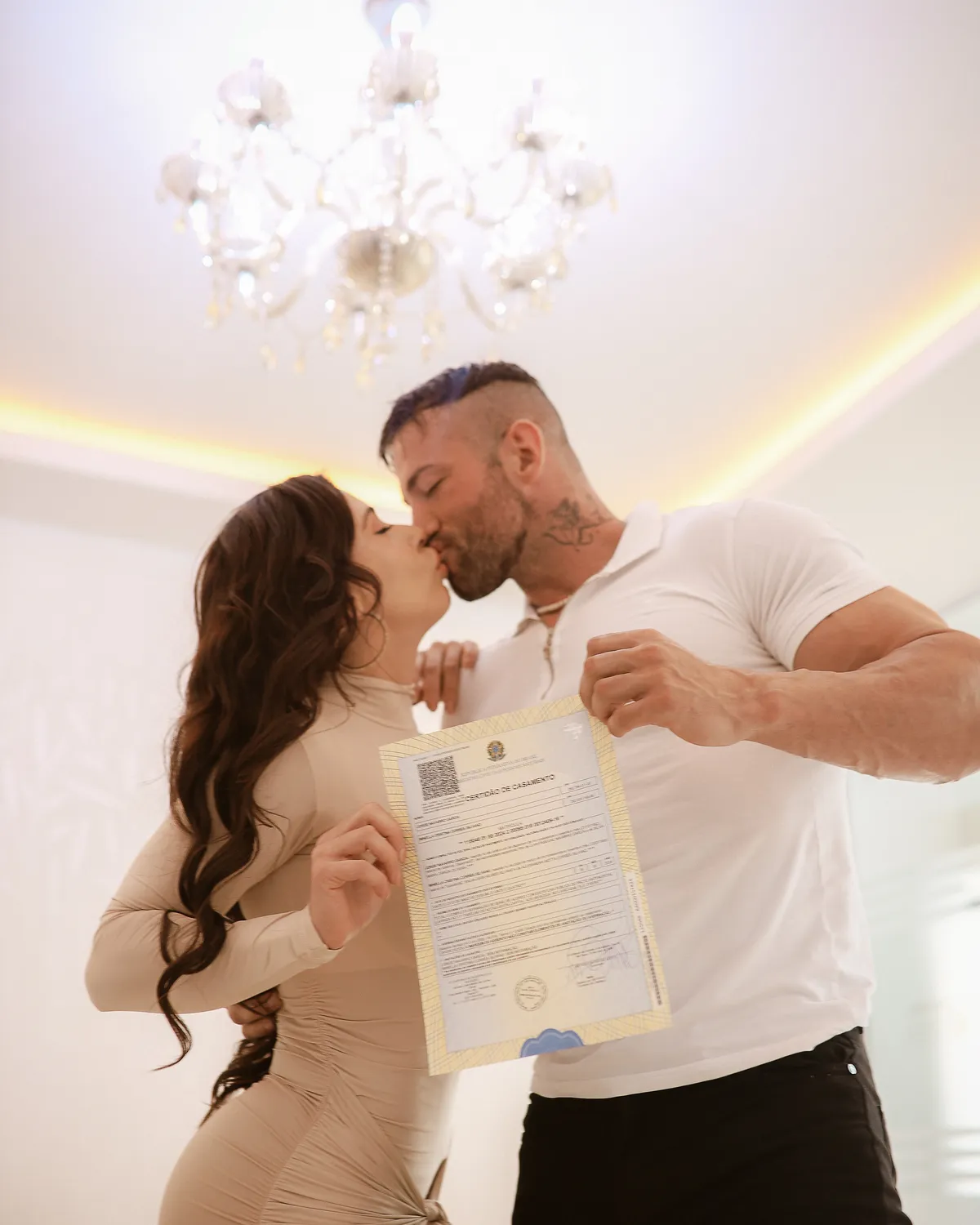
The second thing nobody expects is the paperwork. In the US, federal law — 18 U.S.C. § 2257 — requires producers of sexually explicit content to verify and keep records of every performer’s identity and age, and to keep those records available for inspection (Cornell LII: 18 U.S. Code § 2257). In practice, that means photographing government IDs, signing forms and taking a photo of the performer holding the ID on the day.
Then there are the model releases and the agreement about what is in the scene. Good productions go through it line by line: what acts, with whom, what the limits are. Paperwork is as normal a part of the morning as coffee.
A real shoot day
Here is what a typical day looks like for one scene. Every production is different, but the rhythm is similar.
| Time | What happens |
|---|---|
| Arrival | Check-in, test clearance verified, IDs and releases signed |
| First hour | Hair, make-up, wardrobe; the director explains the scene |
| Next hour | Still photos for the cover and promotion |
| Then | The “intro”: the talking or story part, sometimes several takes |
| The scene | Filmed in blocks, position by position, with stops for lighting, cameras, water and resets |
| After | The “pop” or ending, shot when the director is ready, not necessarily when nature decides |
| Wrap | Showers, more photos, sometimes a short interview for behind-the-scenes |
What becomes 25 or 35 minutes of video often takes five or six hours on set. The sex itself is broken into segments, and between those segments there is a lot of standing around, re-lighting, moving cameras and checking angles.
The tricks of the camera
Most “porn magic” is just film-making.
- Cheating to camera. Performers open their bodies toward the lens, which is why some positions look strange or uncomfortable — they are. They are built so the camera can see, not so it feels best.
- Lighting and lenses. Lenses, angles and light change how bodies, and body parts, look. Everyone looks bigger, smoother and more tanned than they do at home.
- The edit. Pauses disappear. A forty-minute break for a camera battery becomes a cut you never notice. A scene that took six hours plays as one hot, uninterrupted encounter.
- Sound. Audio is often enhanced in post-production. Not everything you hear was that loud in the room.
- Physical preparation. Performers prepare — fitness, grooming, sometimes diet on the day — in a way that real people at home do not and should not need to.
Who is in the room
People imagine two performers and a camera. On a professional set there are usually more people than that: a director, one or two camera operators, someone on lighting, a production assistant handling paperwork and water and towels, a make-up artist, and a stills photographer. Bigger productions add a producer and sometimes a performer’s agent on the phone.
The atmosphere is closer to a small film crew at work than to a party. People talk about batteries, light and timing. Jokes help — a relaxed room makes better scenes — but everyone is there to finish the job on schedule. If you have ever been on any kind of shoot, a wedding video or an advert, you would recognise the rhythm immediately.
How performers get paid
In traditional studio work, performers are generally paid per scene, as independent contractors, and the rate depends on the type of scene, the performer’s profile and the studio. There is no public, reliable rate card, and anyone who quotes you exact numbers as if they were universal is guessing. What I can tell you is that a growing share of performers now earn as much or more from their own channels — fan sites, subscriptions and custom content — than from studio days. The studio scene is often the advertising; the independent platform is the business. That shift is a big part of why I now write about the creator economy as well.
Consent on set
The best sets I have worked on treat consent as part of the job, not a box to tick. Limits are agreed before the camera rolls, they can change, and anyone can stop. Agents, directors and performers themselves talk openly about what they will and will not do.
Has the industry always been good at this? No. There are well-documented abuses in its history, and pretending otherwise would be dishonest. But the professional side today runs on rules, records and reputations — because in a small industry, everybody talks.
What the edit does to your expectations
This is the part I care about most, because it connects to my other guides. When people tell me porn has made them feel inadequate, it is almost always because they compared their real life with an edit. They compare five unbroken minutes at home with a scene that was shot over an afternoon and cut down. They compare their partner’s natural reactions with performance.
If you want to know how long sex actually lasts, I wrote about the real numbers in how to last longer in bed. If you want to know what the money looks like on the creator side, read what OnlyFans creators really make.
So, is porn real?
The bodies are real, the sex is real, and on a good day the chemistry is real. The rest — the pace, the stamina, the effortless positions, the perfect light — is production. Enjoy it for what it is: entertainment made by professionals, under rules most viewers never see.
Sources
- Free Speech Coalition. PASS testing protocols.
- Wikipedia. Free Speech Coalition.
- Cornell Law School, Legal Information Institute. 18 U.S. Code § 2257 — Record keeping requirements.
- Wikipedia. 2016 California Proposition 60 (including Los Angeles County Measure B, 2012).